Buying a rental property in Memphis while living out of state can be a smart investment — strong rental demand, relatively affordable pricing, and long-term growth potential. At the same time, it requires a clear understanding of how the local market actually operates.
We work with many out-of-town owners, and the biggest challenges usually come down to one thing: expectations that don’t match the reality of the Memphis rental market.
If you’re considering investing here, understanding what not to do is just as important as knowing what to do right.
Mistake #1: Assuming Tennessee Laws Work Like Your Home State
Every state handles landlord-tenant law differently, and Tennessee is no exception. Out-of-town owners often assume:
- Repair timelines are flexible
- Certain maintenance items are optional
- Lease enforcement works the same everywhere
In Memphis, that can create real risk.
Under Tennessee law (Uniform Residential Landlord and Tenant Act), landlords are required to maintain habitable conditions and generally must complete repairs within 14 days after receiving written notice from a tenant. If issues affecting health and safety are not addressed within that timeframe, tenants may have legal remedies, including lease termination, repair-and-deduct options, or pursuing damages.
In addition, Memphis climate plays a major role in what is considered “habitable.” For example, air conditioning is not just a convenience here — it’s an expectation, especially during summer months.
What to do instead:
- Understand that Tennessee law sets clear expectations for repairs and habitability
- Treat HVAC, safety, and structural items as non-negotiable
- Work with a local team who stays current on regulations
Mistake #2: Trusting the Rent Estimate on the Listing
One of the most common (and costly) mistakes we see:
“The listing said it would rent for $2,000, so that’s what we planned for.”
In reality, that number is often aspirational, not data-driven.
In the Memphis rental market:
- Rent varies block by block, not just by ZIP code
- Flipped homes are often overestimated
- Online estimates don’t reflect actual leasing activity
We’ve seen properties sit vacant simply because they were priced based on listing assumptions instead of real-time market data.
What to do instead:
- Talk to a local property management company before you buy to understand true rental value
- Look at leased comps, not just active listings
- Factor in days on market, not just price
- Be realistic — consistent occupancy matters more than an inflated asking rent
📍 Mistake #3: Assuming All Memphis Renters Want the Same Thing
Memphis is not a one-size-fits-all rental market, and renter preferences vary significantly by area.
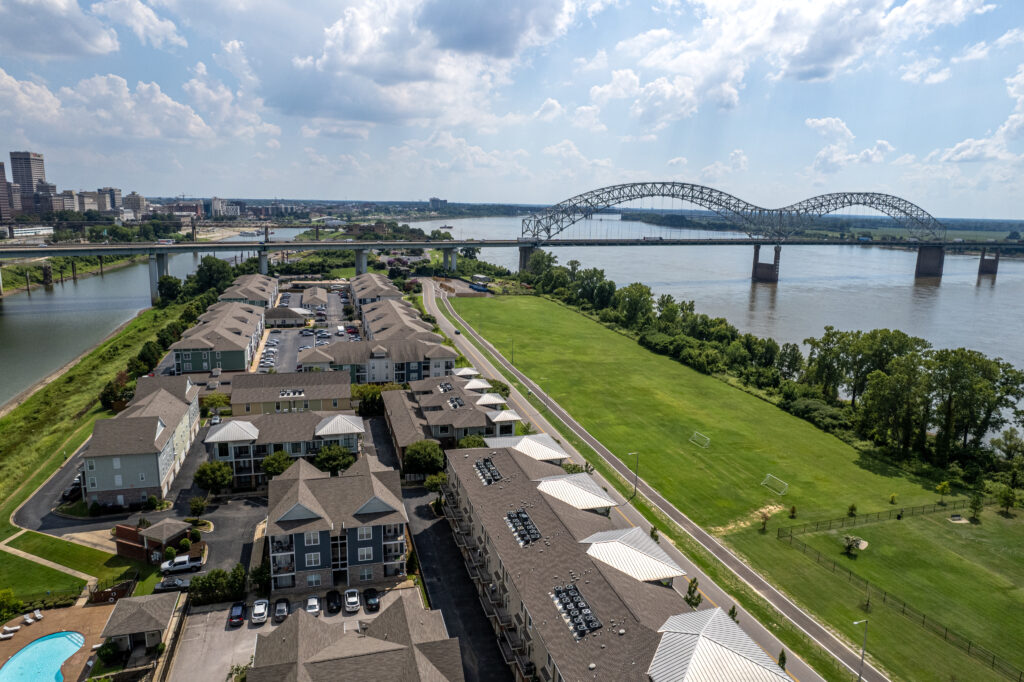
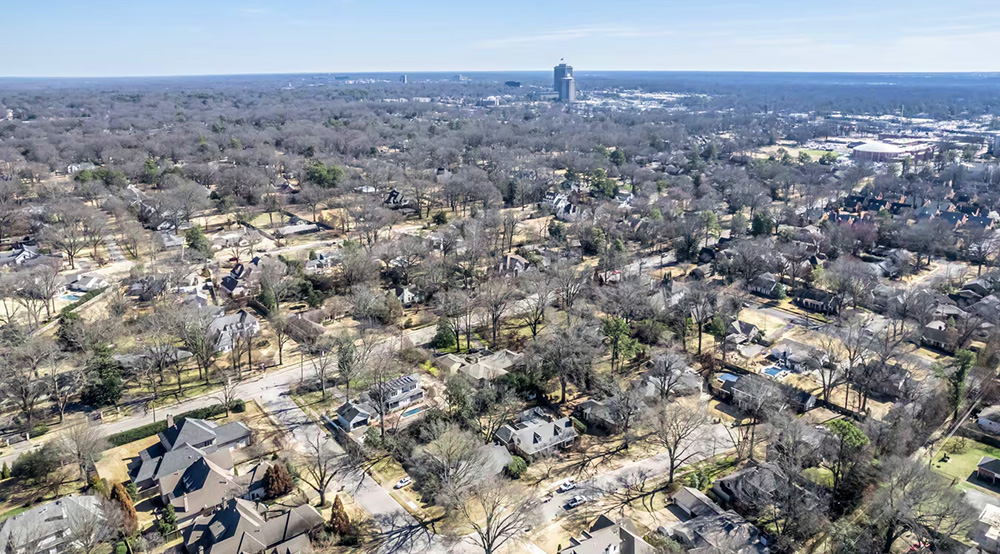
For example, in Downtown and Midtown, renters often prioritize walkability, proximity to restaurants, entertainment, and arts districts. However, in East Memphis and farther east, renters are more likely to look for single-family homes, fenced backyards, and homes in certain school districts.
Because of this, features that drive demand in one area may not matter — or may not translate to higher rent — in another. As a result, pricing, marketing, and even property selection need to reflect what renters in that specific area actually value. What works in Midtown may not work in Frayser. What leases quickly in East Memphis may sit longer elsewhere.
What to do instead:
- Evaluate neighborhood-level data, not just city-wide trends
- Understand renter expectations in each area
- Work with someone who knows Memphis street by street, not just online
Mistake #4: Skipping the HOA Deep Dive
HOAs are one of the most overlooked risks for out-of-town investors. Before buying, many owners only ask:
“Are rentals allowed?”
But the better question is:
“How well is this community actually managed, and what are the restrictions?”
In Memphis, many HOAs have specific limitations on rentals, including:
- Caps on the number or percentage of units that can be leased
- Requirements that owners be grandfathered in to rent their property
- Restrictions on lease length (minimum terms)
- Rules around pets, occupancy, and property use
An HOA can either protect your investment, or quietly limit your ability to rent it at all.
Beyond the rules, the day-to-day management of the HOA matters just as much.
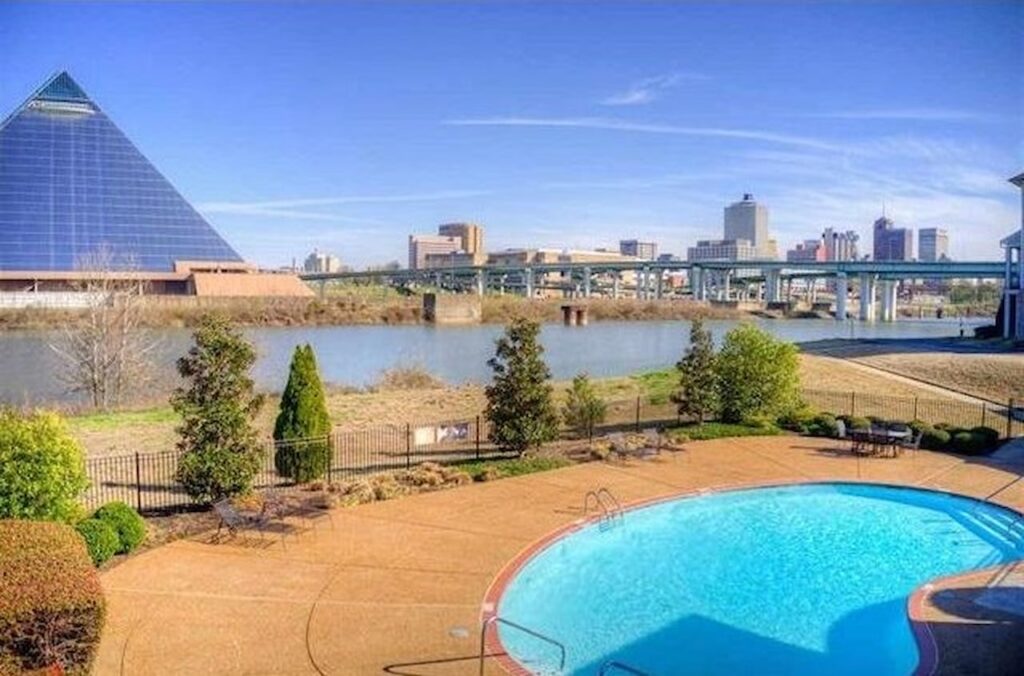
What to look for:
- Are common areas and exteriors well maintained?
- Are amenities (gates, pools, etc.) functional?
- Is the HOA responsive and organized?
- Are there active issues with deferred maintenance?
What to do:
Do a full operational review of the HOA, not just a rules check. This means:
- Reviewing governing documents (bylaws, covenants, and restrictions)
- Asking for recent communications, budgets, and any known issues
- Observing the condition of the property and shared spaces in person or through recent photos
- Talking to a local property management company to understand how that HOA actually operates in practice
That last step is often the most valuable. A local team can quickly tell you whether an HOA is well-run, difficult to work with, or likely to impact your ability to lease the property.
🔧 Mistake #5: Letting Maintenance Slide (Especially A/C)
In Memphis, maintenance is not something you can take a “wait and see” approach on.
As mentioned earlier, Tennessee law requires landlords to maintain habitable conditions and generally complete repairs within 14 days after written notice from a tenant. When it comes to critical systems, delays can create both legal and operational issues.
In our market, air conditioning is one of the most important systems in the home. During Memphis summers, a non-functioning A/C unit can quickly become a safety and habitability concern, not just an inconvenience. That’s why it’s important to evaluate HVAC systems carefully before purchasing a rental property or placing it on the rental market.
Other high-impact maintenance areas in Memphis include:
- Moisture and humidity control
- Roofing and drainage during heavy rains
- Plumbing concerns during seasonal temperature swings
Delaying maintenance doesn’t just risk repairs — it impacts:
- Tenant satisfaction
- Lease renewals
- Overall property condition
What to do instead:
- Ensure the HVAC system is functional, properly maintained, and appropriately sized before leasing
- Plan for proactive maintenance, not reactive fixes
- Budget for major systems like HVAC, roofing, and drainage
- Address issues early before they escalate into larger problems
Mistake #6: Weak Screening or Inconsistent Enforcement
Distance can make it tempting to approve applicants quickly without conducting deeper screening. That can create issues that could have been avoided. Rental success here depends on thorough and consistent screening, verifying information beyond standard reports, clear communication, and enforcement of lease terms.
What to do instead:
- Use consistent screening criteria for all applicants
- Verify income, rental history, and identity carefully
- Enforce lease terms clearly and consistently
Mistake #7: Not Talking to a Local Property Manager Before You Buy
This is one of the biggest missed opportunities we see. Many investors buy first, then try to figure out management. This can create a situation where expectations don’t match reality.
What to do instead:
Before you buy:
- Get a realistic rent estimate
- Ask about days on market
- Understand tenant demand in that exact area
- Learn what property management actually looks like in Memphis
- Interview several property management companies to find the one that works best for you, your goals, and your property.
Mistake #8: Believing Everything You Read Online About Memphis Rentals
Memphis is often talked about as a “high cash flow market.” While that can be true, it’s also oversimplified.
Online sources don’t always show neighborhood-level variation, maintenance realities, leasing timelines, and renter expectations.
What to do instead:
- Treat online data as a starting point, not a decision-maker
- Validate everything with local, real-time insight
- Focus on sustainable performance, not just projected returns
Final Thoughts: Memphis Rewards Informed Investors
Memphis can be a strong rental market — but it rewards owners who:
- Set realistic expectations
- Understand local dynamics
- Plan for maintenance
- Use accurate, localized data
The investors who succeed here aren’t guessing — they’re informed.
Thinking About Buying a Rental in Memphis?
If you’re considering an investment property in Memphis, we’re happy to help you understand what to expect before you buy.
We can provide:
- A realistic rent estimate
- Insight into neighborhood performance
- Guidance on leasing timelines and demand
- A clear picture of what property management looks like locally
Reach out anytime. We’re here to help you make a confident, informed decision.